
Lower heating and cooling costs
Uninsulated brick veneer walls lose heat rapidly in Melbourne’s cold winters. Cavity insulation slows this heat transfer, so your heater runs less often and your power bills drop.
Delahey Wall Insulation
Cavity wall insulation for brick veneer homes in Delahey reduces winter heat loss and summer heat gain through your external walls. Expert Insulation Melbourne installs it with minimal disruption to your home.
Share your details and Expert Insulation Melbourne will contact you about Cavity Wall Insulation in Delahey.
Cavity wall insulation fills the gap between the inner and outer leaf of brick veneer walls with an insulating material. This is done by drilling small holes in the mortar joints of the outer leaf, injecting the insulation and then patching the holes. It is a cost-effective way to improve the thermal resistance of existing brick veneer homes in Delahey without removing wall linings.
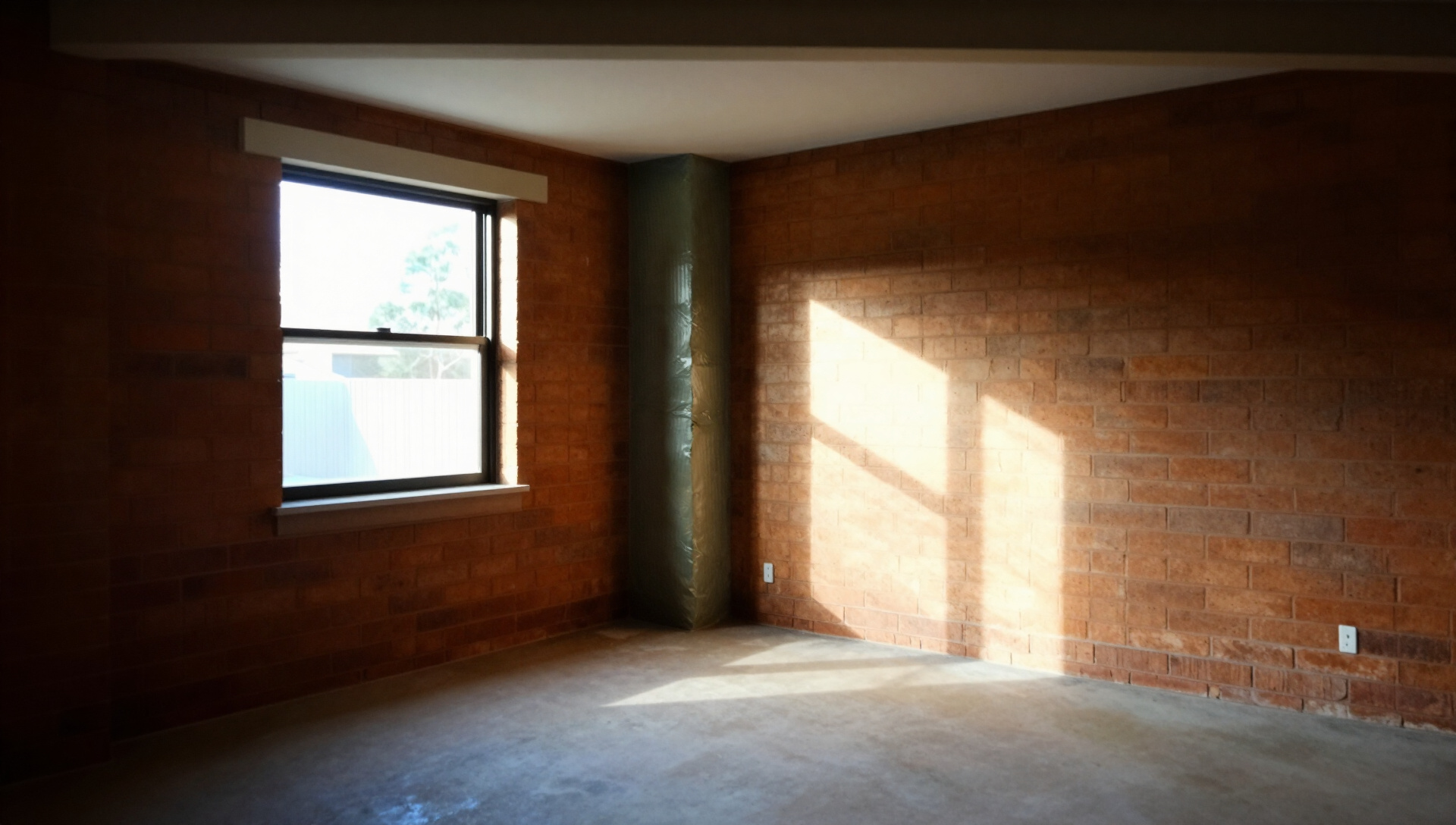
Delahey’s mix of postwar brick veneer and newer estates means many homes have uninsulated wall cavities. Filling these gaps stops heat escaping in winter and entering in summer, making your heating and cooling systems more effective.
Uninsulated brick veneer walls lose heat rapidly in Melbourne’s cold winters. Cavity insulation slows this heat transfer, so your heater runs less often and your power bills drop.
Insulated cavities reduce cold spots near external walls and help maintain a steadier temperature throughout your home, improving comfort in living areas and bedrooms.
Properly installed cavity insulation helps manage moisture by reducing the temperature difference between the inner and outer wall surfaces, lowering the risk of condensation inside the cavity.
The process is carried out from the outside of your home. No internal wall linings are removed, and the only visible sign is small, patched mortar holes.
Unlike bulk insulation in wall frames, cavity insulation can be added to existing brick veneer walls without opening up the interior, making it ideal for retrofits in Delahey.
While primarily a thermal upgrade, cavity insulation also dampens external noise, providing a quieter indoor environment in busier parts of Delahey.
Our cavity wall insulation process is designed to be efficient and unobtrusive. We begin with a thorough inspection to confirm your walls are suitable, then proceed with installation and finishing in a single visit.
We check the wall type, cavity width and condition. Brick veneer is usually suitable, but double brick or walls with moisture issues may not be. We also look for signs of existing insulation or asbestos materials, which would require a qualified assessor before any work proceeds.
Small holes are drilled in the mortar joints of the outer brick leaf at regular intervals. These holes are carefully placed to ensure full coverage of the cavity while minimising visual impact.
We use a specialised machine to inject loose-fill insulation material into the cavity through the holes. The material fills the gap completely, creating a continuous thermal barrier without compressing or settling over time.
Once the cavity is filled, the holes are sealed with a colour-matched mortar to blend in with your existing brickwork. The site is left clean, with no internal mess or damage to your home.
Delahey’s brick veneer homes, particularly those built in the 1970s and 1980s, often have uninsulated wall cavities. This leaves them vulnerable to heat loss in winter and heat gain in summer, which is a common issue in Melbourne’s climate. Cavity wall insulation is a practical solution that doesn’t require internal renovations, making it a smart upgrade for many properties in the area.
Improve thermal comfort in your Delahey brick veneer home with cavity wall insulation installed from the outside.
Homeowners in Delahey often have questions about how cavity wall insulation works, whether their home is suitable and what to expect during installation. Here are the answers to the most common queries.
Cavity wall insulation in Delahey is a non-invasive way to upgrade the thermal performance of brick veneer homes. By filling the air gap between the inner and outer wall leaves with insulating material, you reduce heat transfer through the walls, which accounts for a significant portion of a home’s energy loss. This is particularly valuable in Delahey, where many homes were built before wall insulation was standard practice.
The process is quick and carried out from the exterior, so there is no need to remove gyprock or disrupt your daily routine. Small holes are drilled into the mortar, insulation is injected and the holes are patched to match your brickwork. The result is a warmer home in winter, cooler in summer and lower energy bills year-round. It also helps reduce draughts and cold spots near external walls, which are common complaints in older Delahey properties.
Not all walls are suitable for cavity insulation. Double brick walls, for example, do not have a cavity to fill, and walls with existing moisture problems need assessment first. If we encounter any material that may contain asbestos during our inspection, work stops until a qualified asbestos assessor confirms it is safe to proceed. For most brick veneer homes in Delahey, however, cavity wall insulation is a straightforward and effective upgrade.
If your Delahey home has brick veneer walls, cavity insulation can improve comfort and reduce energy costs. Contact Expert Insulation Melbourne to arrange an inspection and quote.